Quest's proprietary lactobacilli probiotic strains are scientifically characterised, independently verified and produced in-house to the highest standards of quality and traceability.
This white paper provides an accessible overview of the scientific evidence supporting Quest’s eight proprietary Lactobacilli strains used in finished probiotic formulations. All strains are produced 100% in-house at the Quest facility in Dubai, UAE, ensuring controlled production, consistency in potency, and full traceability.
The evidence presented is organised around three performance pillars that reflect the key requirements for probiotic strains in commercial formulations:

Identification & Safety
Confirming strain authenticity, traceability, and suitability for routine human use.

Survivability & Delivery
Demonstrating the ability to survive gastrointestinal conditions and reach the intestine in viable form.

Functional Efficacy & Genomic Validation
Establishing that the strains are metabolically active with functional characteristics relevant to digestive health, supported by genomic evidence.
All data are derived from a combination of in-house laboratory testing and external whole genome sequencing analysis performed on each proprietary strain.
Pillar 1 - Identification & Safety
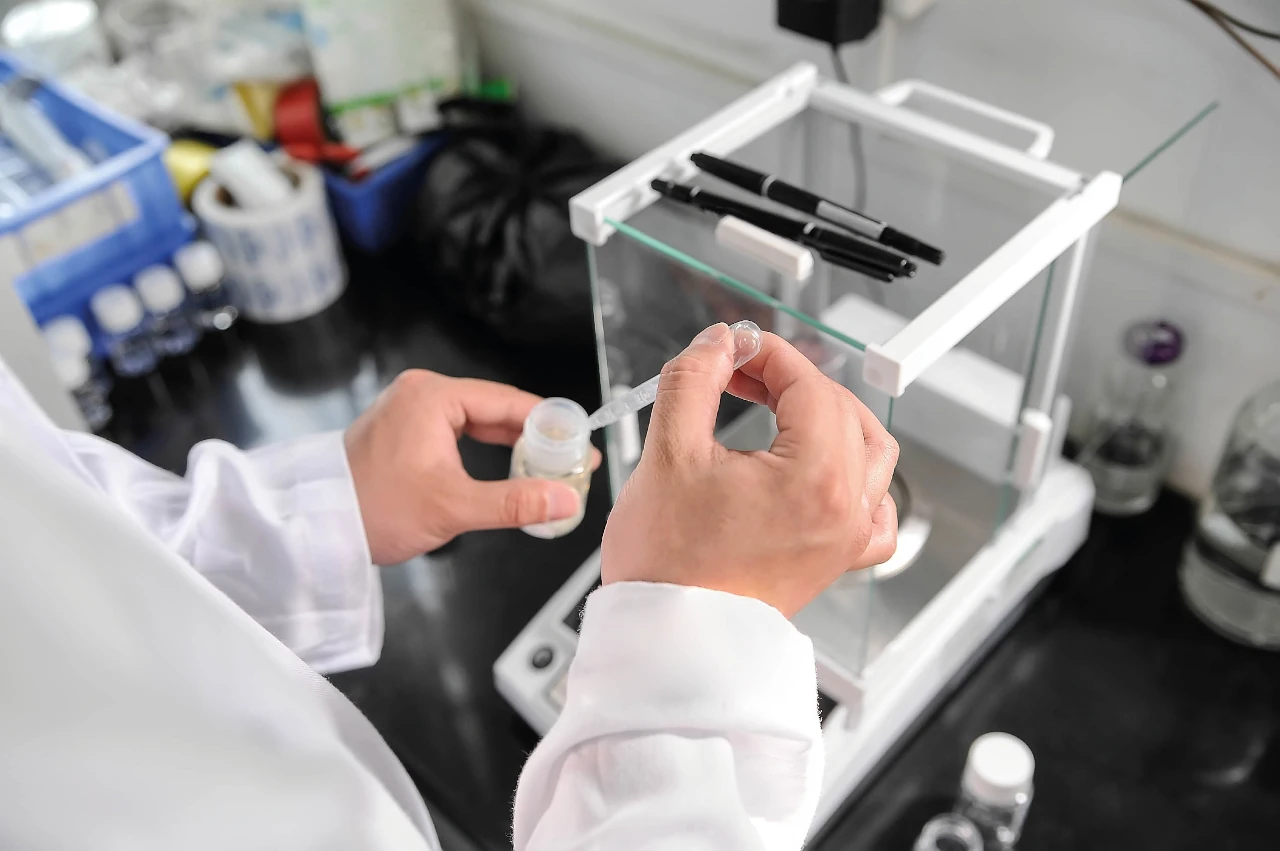
The foundation of any credible probiotic product begins with accurate strain identification and a robust safety profile. Quest has invested in a layered assessment framework encompassing whole genome sequencing, genomic safety screening, phenotypic antibiotic susceptibility testing, and formal culture collection deposit to establish the scientific credentials of each strain.
Whole Genome Sequencing & Strain Authentication
All eight strains have been fully characterised using Illumina NovaSeq 6000 whole genome sequencing and confirmed to species level through TYGS digital DNA–DNA hybridisation. This provides molecular-level confirmation of strain identity, with G+C content ranging from 36.8% to 50.6% and annotated gene counts of approximately 1,850 to 3,021 genes – consistent with recognised lactobacillus species profiles.
Probiotic benefits are strain-specific, and whole genome sequencing ensures accurate and unique identification, full traceability, and protection of product authenticity.
Genomic Safety Screening
Comprehensive whole genome analysis screened for virulence-associated genes, toxin-producing gene sequences, and antimicrobial resistance (AMR) markers. No virulence factor genes or toxin-producing genes were detected in any of the eight strains, confirming they do not possess genetic markers associated with pathogenicity or toxin-mediated harm. This genomic-level safety validation supports the suitability of the strains for daily probiotic supplementation.
Antibiotic Susceptibility (MIC Testing)
While genomic screening identifies resistance-associated gene markers, functional susceptibility testing determines whether a strain behaves as resistant in practice. All eight strains were evaluated against nine clinically relevant antibiotics using a standardised broth microdilution method and compared against EFSA (2012) cut-off values.
Every strain was classified as Susceptible (S) across all antibiotics tested, confirming that the strains do not exhibit clinically relevant or transferable antibiotic resistance.
Culture Collection Deposit & Traceability
Each proprietary strain has been formally deposited with the National Collection of Industrial, Food and Marine Bacteria (NCIMB), providing independent third-party authentication, permanent strain preservation, and traceability through unique registered accession numbers.
Pillar 2 - Survivability & Delivery
For a probiotic to deliver its intended benefits, the strains must survive the harsh conditions of gastrointestinal transit and reach the intestine in viable form. Quest has evaluated its strains through three complementary in vitro assays – simulated gastric acid resistance, bile salt tolerance, and mucin adhesion – supported by genomic evidence of stress-response pathways.
Simulated Gastric Survival
Each strain was exposed to simulated gastric conditions at pH 2.0 (representing empty stomach) and pH 3.0 (representing fed-state conditions) for up to three hours, with viable counts measured over time. All strains demonstrated survival under fed-state gastric conditions, with the majority maintaining viability for extended periods at pH 3.0.
Genomic analysis further identified stress-response operons (dnaK, dnaJ, grpE) and the acid shock response operon (aspS) across all strains, providing mechanistic support for the observed laboratory survival results. This alignment between genetic capability and in vitro performance strengthens confidence in strain robustness during gastric transit.
Bile Salt Tolerance
Following passage through the stomach, probiotic strains encounter bile salts in the small intestine which can disrupt bacterial cell membranes and reduce viability. Strains were exposed to bile salt concentrations of 0.5%, 1.0%, and 1.5% at pH 5.0 for 26 hours.
At 0.5% bile concentration — within the physiological range encountered in the small intestine – strains demonstrated strong survival, with the majority retaining greater than 80–90% viability. Testing at higher concentrations provided additional stress validation. Together with the acid resistance data, bile tolerance results confirm that the strains are capable of surviving key stages of gastrointestinal transit.
Mucin Adhesion
The intestinal mucus layer is the primary interface between ingested bacteria and the host environment. Adhesion to mucin-coated surfaces was evaluated under both aerobic and anaerobic conditions, with results expressed relative to an internal laboratory reference strain.
Mucin adhesion was confirmed across all strains, with strain-specific variation reflecting natural functional diversity. Even moderate adhesion supports transient mucosal interaction, particularly when combined with demonstrated gastric and bile survival. Together, these survivability and adhesion data confirm the strains can interact effectively with the intestinal environment.
Pillar 3 - Functional Efficacy & Genomic Validation
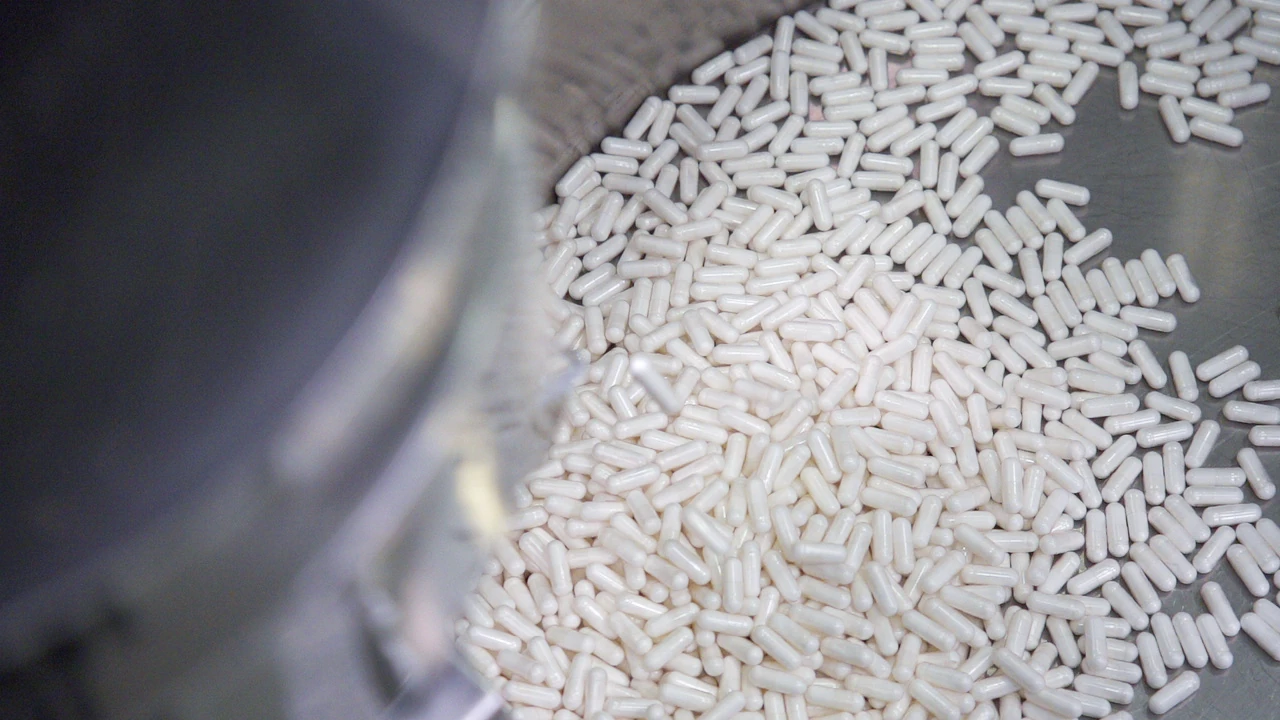
Beyond survival and delivery, Quest’s strains demonstrate active metabolic functionality through multiple in vitro assays, supported by genomic annotation that links observed performance to specific genetic capabilities.
Proteolytic Activity
All eight strains tested positive for proteolytic (casein hydrolysis) activity, confirming active production of protease enzymes capable of degrading complex dietary proteins into smaller peptides and amino acids. In the gastrointestinal environment, this metabolic activity may contribute to the breakdown of dietary protein substrates, release of bioactive peptides, and enhanced nutrient availability. This confirms that the strains are metabolically active rather than simply surviving transit.
Carbohydrate Fermentation & Acidification
Fermentation testing across 21 carbohydrate substrates confirmed strain-specific metabolic profiles, with each strain demonstrating active acid production. As lactic acid bacteria, these strains primarily produce lactic acid during carbohydrate metabolism, contributing to maintenance of a mildly acidic microenvironment that may competitively inhibit undesirable microorganisms.
Milk acidification testing further confirmed strong fermentation performance. Selected strains produced lactic acid concentrations reaching up to 0.95%, with a capsule blend achieving 0.99% – comparable to commercial dairy fermentation benchmarks (typically 0.7–1.2%). The lowest recorded pH of 3.98 demonstrates effective lactose conversion and robust acidification capability.
Genomic Correlation
Whole genome annotation identified genes associated with key functional pathways, providing mechanistic support for the laboratory results. These include protease-associated genes (clpP), carbohydrate metabolism genes (bbmA), lactic acid metabolism genes (mleS), and amino acid transport genes (brnQ). Genes associated with vitamin and cofactor biosynthesis pathways-including riboflavin (B2), folate (B9), pyridoxine (B6), and biotin (B7) – were also identified, reflecting metabolic versatility characteristic of active lactobacillus bacteria.
Antagonistic Activity
Antagonistic activity was evaluated against Staphylococcus aureus and Escherichia coli using the agar well diffusion method. Clear zones of inhibition were observed against both indicator organisms, demonstrating active antimicrobial metabolite production. This ecological competitiveness, achieved through organic acid production, bacteriocin secretion, and environmental acidification, supports the strains’ capacity to positively influence intestinal microbial balance.
Summary
The combined genomic, safety, survivability, and functional data demonstrate that Quest’s proprietary lactobacillus strains are accurately identified through whole genome sequencing, fully traceable via registered culture collection deposits, free from clinically relevant virulence factors or transferable antibiotic resistance, capable of surviving simulated gastrointestinal conditions, and functionally active with demonstrated metabolic characteristics relevant to digestive health.
Together, these findings provide a scientifically substantiated and commercially robust foundation for inclusion of these strains in high-quality probiotic formulations intended for commercial distribution across multiple markets.
| Pillar | Key Finding |
|---|---|
| Identification & Safety | All 8 strains fully genome-sequenced, species confirmed via TYGS, no virulence/toxin genes detected, all classified Susceptible (S) per EFSA criteria, deposited with NCIMB. |
| Survivability & Delivery | Demonstrated gastric survival at pH 3.0–2.0, strong bile salt tolerance at physiological concentrations, mucin adhesion confirmed under aerobic and anaerobic conditions. |
| Functional Efficacy & Genomic Validation | Proteolytic activity confirmed, active fermentation across 21 substrates, lactic acid production comparable to commercial benchmarks, antagonistic activity against indicator pathogens, genomic pathways identified |

Download Technical Paper
By entering your name and email address we may contact you by email or phone, subject to our privacy policy.