ODF represent an innovative and patient-friendly drug.
Oral Dissolvable Films (ODFs) represent an innovative and patient-friendly drug and nutrient delivery system that dissolves rapidly upon contact with saliva, offering superior bioavailability, convenience, and compliance.
Introduction
Oral Dissolvable Films (ODFs) are an innovative solid dosage forms designed to dissolve or disintegrate rapidly in the oral cavity upon contact with saliva without the need for water. Originally developed as breath-freshening strips, ODF technology has evolved into a sophisticated and clinically relevant drug and nutritional supplement delivery platform.
ODFs are thin polymeric Films, typically ranging from 50 to 3,000 micrometres (µm) in thickness, that are cast from water-soluble film-forming polymers. When placed on the tongue they dissolve within seconds to releasing active nutrients directly into the oral mucosa or for systemic absorption via the gastrointestinal tract.
At Quest, Oral Dissolvable Films represent a cutting-edge addition to our portfolio of advanced nutrient delivery systems. Their slim, portable, and easy-to-use format makes them particularly suitable for a wide range of consumers, including those with difficulty swallowing tablets or capsules (dysphagia), paediatric and geriatric populations, and health-conscious individuals seeking on-the-go supplementation.
Key Ingredients in ODF Formulations
The formulation of Oral Dissolvable Films requires careful selection of excipients to ensure optimal film properties, stability, palatability, and efficacy of the active nutrient. The key ingredient categories include:
Film-Forming Polymers
Film-forming polymers are the backbone of ODF formulations, providing structural integrity, flexibility, and the dissolution rate of the film. The selection of the polymer determines the mechanical properties and the disintegration time of the film. Common film-forming polymers approved in the EU for use in ODFs include hydroxypropyl methylcellulose (HPMC), pullulan, maltodextrin and starch.
Plasticizers
Plasticizers are essential in ODF formulations to improve the flexibility and mechanical properties of the film, preventing brittleness during manufacture, storage, and handling. A common plasticizers approved in the EU for use in ODFs is glycerol (glycerin). The choice of plasticizer and its concentration directly influences the tensile strength, elongation, and overall quality of the film.
Sweeteners and Flavouring Agents
Since ODFs are placed directly in the oral cavity, acceptable taste and palatability are paramount to consumer compliance. Natural sweeteners such as stevia (steviol glycosides), xylitol and neotame are all permitted in the EU for use in ODFs and are preferred in nutritional supplement applications for their low glycaemic impact. Artificial sweeteners such as sucralose, may also be used. Flavouring agents, typically in concentrations of 1–4% w/w, are incorporated to mask the unpleasant taste of certain active nutrients and enhance the overall sensory experience but must stay with limits set by EU additives laws.
Surfactants and Solubilisers
Surfactants are sometimes used to enhance the wettability and dissolution of poorly water-soluble active ingredients, ensuring uniform distribution throughout the film matrix and promoting rapid release upon dissolution.
Active Nutrients
The active nutrient -whether a vitamin, mineral, botanical extract, amino acid, or other bioactive compound – is uniformly dispersed within the film matrix during the manufacturing process, ensuring dose accuracy and batch-to-batch consistency.
Advantages of Oral Dissolvable Films
The advantages of Oral Dissolvable Films are multi-faceted, spanning from enhanced bioavailability and patient compliance to manufacturing versatility and market differentiation:
| Advantage | Detail |
|---|---|
| No Water Required | ODFs dissolve on the tongue with saliva alone, providing unparalleled on-the-go convenience for busy consumers and improving compliance, particularly among patients with dysphagia (difficulty swallowing). |
| Enhanced Bioavailability | Sublingual and buccal delivery routes bypass first-pass hepatic metabolism, leading to higher plasma concentrations of certain nutrients and faster onset of action compared to conventional tablets or capsules. |
| Rapid Onset of Action | Dissolving within 30 seconds to 3 minutes, ODFs provide almost immediate nutrient delivery – making them ideal for fast-acting nutrients such as Melatonin, Vitamin B12, and Zinc. |
| Improved Patient Compliance | The pleasant taste, ease of administration, and discreet usage of ODFs significantly improve consumer compliance compared to traditional oral solid dosage forms, particularly in paediatric, geriatric, and dysphagic populations. |
| Accurate Dosing | Each ODF unit contains a precisely measured dose of the active nutrient, ensuring accurate and reproducible dosing with every use. |
| Stability and Protection | The film matrix protects sensitive active nutrients from light, moisture, and oxidation during storage, preserving potency and extending shelf life. |
| Taste Masking | The inclusion of sweeteners and flavouring agents effectively masks the bitter or unpleasant taste of certain vitamins and minerals, improving consumer acceptability. |
| Versatile Active Loading | ODFs can accommodate a wide range of vitamins, minerals, botanical extracts, amino acids, probiotics, and other bioactives, providing formulation flexibility. |
| Premium Market Positioning | As a modern, innovative delivery format, ODFs enable brands to differentiate their products in an increasingly competitive nutritional supplement market. |
In-House Manufacturing of ODFs
Quest operates a state-of-the-art, purpose-built in-house manufacturing facility dedicated to the production of Oral Dissolvable Films. Our facility combines advanced equipment, stringent quality control, and GMP-compliant processes to deliver premium ODF products that meet the highest standards of safety, efficacy, and consistency.
Manufacturing Process Overview
The production of Oral Dissolvable Films at Quest follows a carefully controlled, multi-stage manufacturing process based on the casting (wet process) method. This process is the gold standard for ODF manufacturing, providing excellent uniformity and flexibility in formulation.
Step 1: Preparation of the Polymer Solution
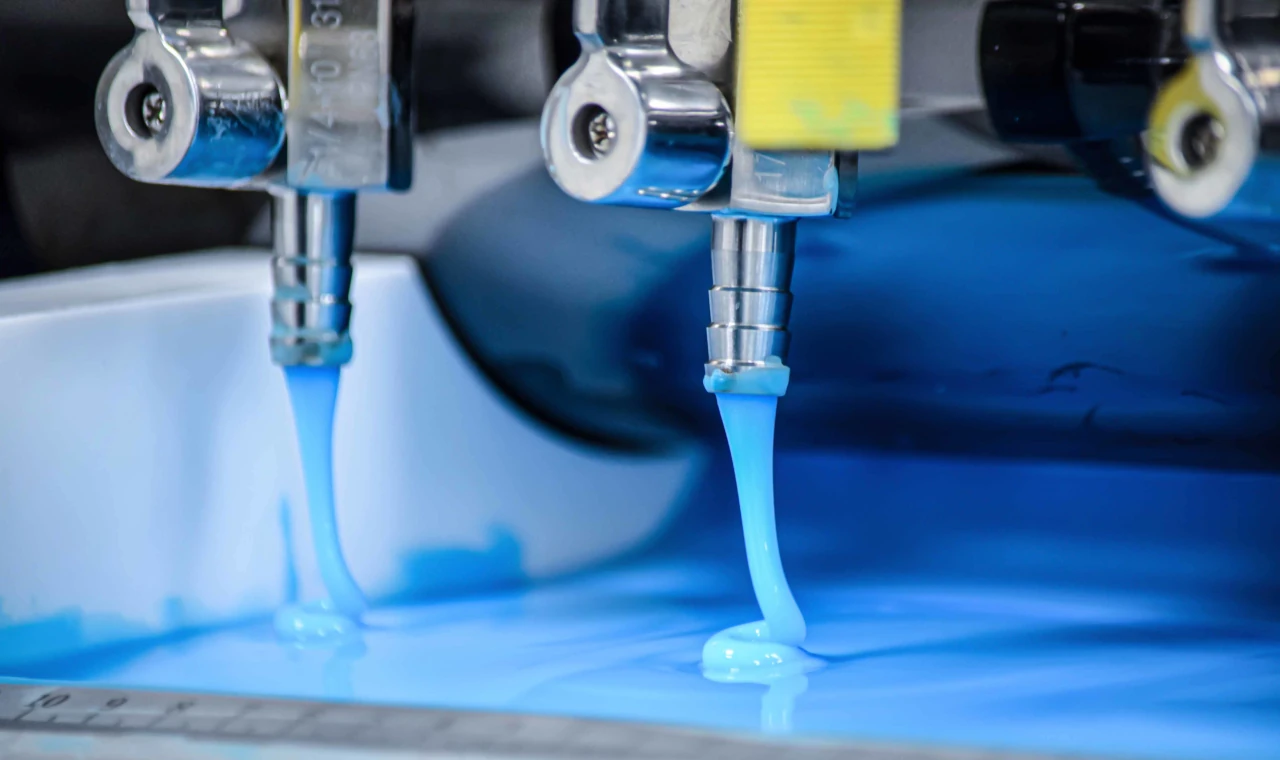
The film-forming polymer (e.g., HPMC, pullulan, or maltodextrin) is accurately weighed and dissolved in purified water under controlled temperature and agitation. The active nutrients (vitamins, minerals, botanicals), plasticizers, sweeteners, flavouring agents, and any additional excipients are then incorporated in a predetermined sequence. The resulting solution is continuously mixed using high-shear mixers to ensure complete dissolution and uniform distribution of all components. The viscosity of the solution is carefully monitored and adjusted to achieve the optimal casting consistency.
Step 2: Deaeration
After mixing, the polymer solution undergoes deaeration to remove entrapped air bubbles that could compromise the uniformity and quality of the final film. This is achieved through controlled vacuum application and/or resting of the solution under low-pressure conditions. Deaeration is a critical step to ensure a smooth, defect-free film surface and consistent thickness across the entire film batch.
Step 3: Film Casting
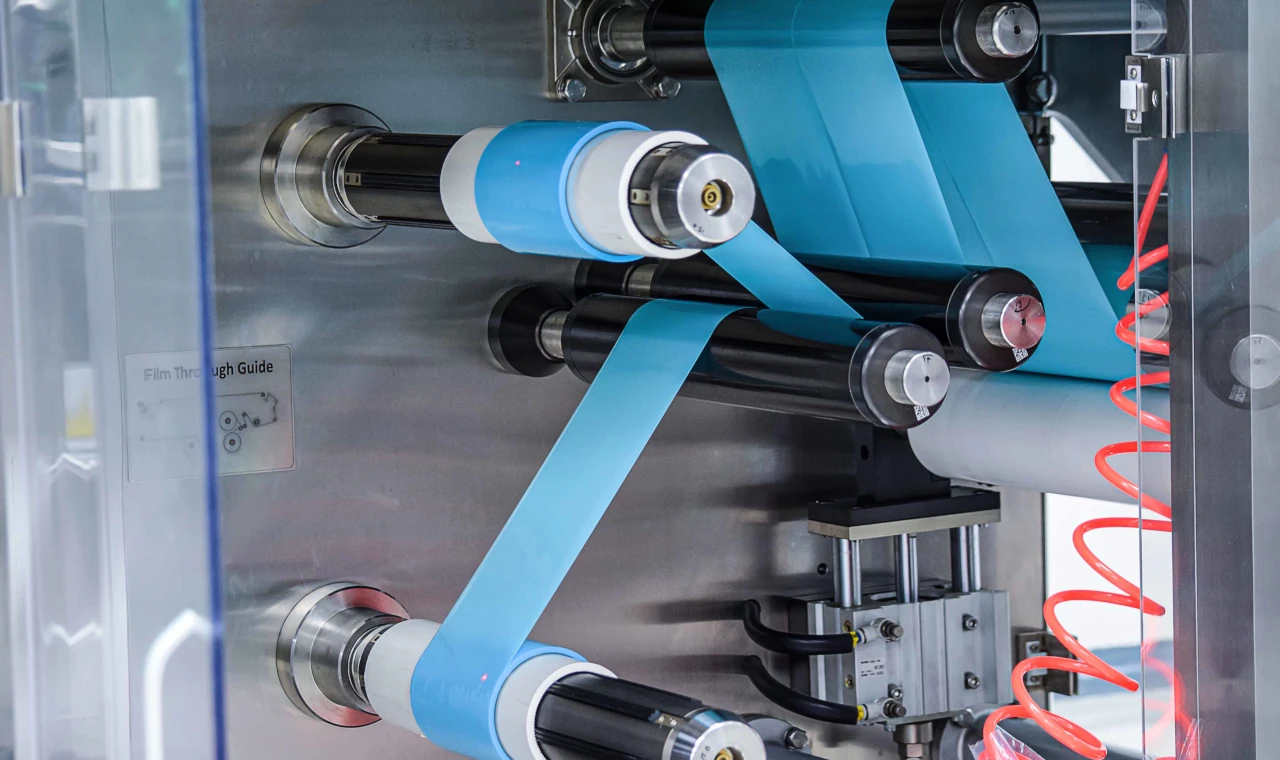
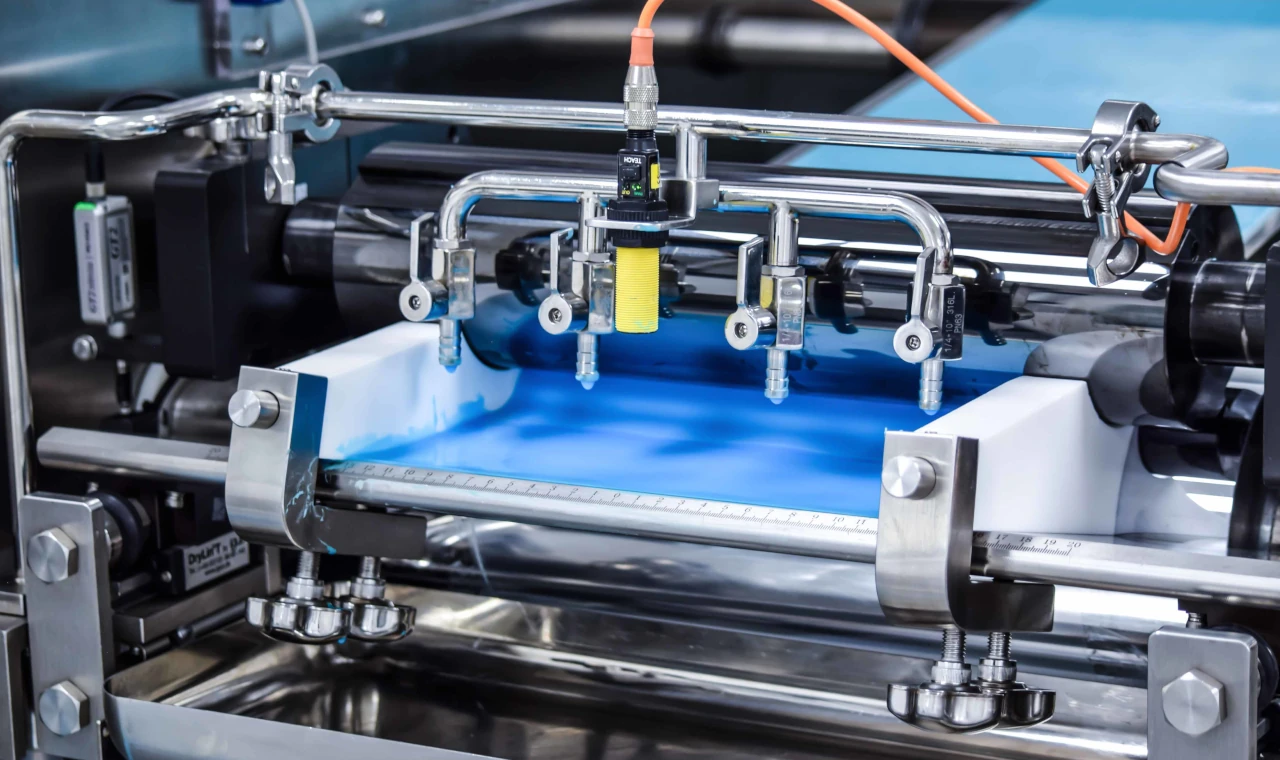
The deaerated polymer solution is cast onto a polyethylene terephthalate (PET) release liner using a precision laser guided blade coating system. The casting gap, coating speed, and solution temperature are precisely controlled to achieve the target wet film thickness. Our advanced casting equipment ensures exceptional uniformity across the full width of the film, with automated monitoring systems continuously verifying the coating weight and thickness in real time.
Step 4: Drying
The wet cast film is conveyed through a multi-zone drying tunnel with precisely controlled temperature, airflow, and humidity profiles. The drying process removes the water from the film matrix, converting it from a gel-like state into a thin, flexible, and stable solid film.
Step 5: Quality Control and Testing
Following drying, the continuous film roll undergoes comprehensive quality control testing before cutting and packaging. Critical quality attributes tested include film weight uniformity, thickness uniformity, tensile strength and elongation, moisture content, dissolution time (disintegration testing), content uniformity of the active nutrient, pH, and appearance. All quality control results are documented and reviewed against pre-defined specifications to confirm batch compliance.
Step 6: Slitting and Cutting
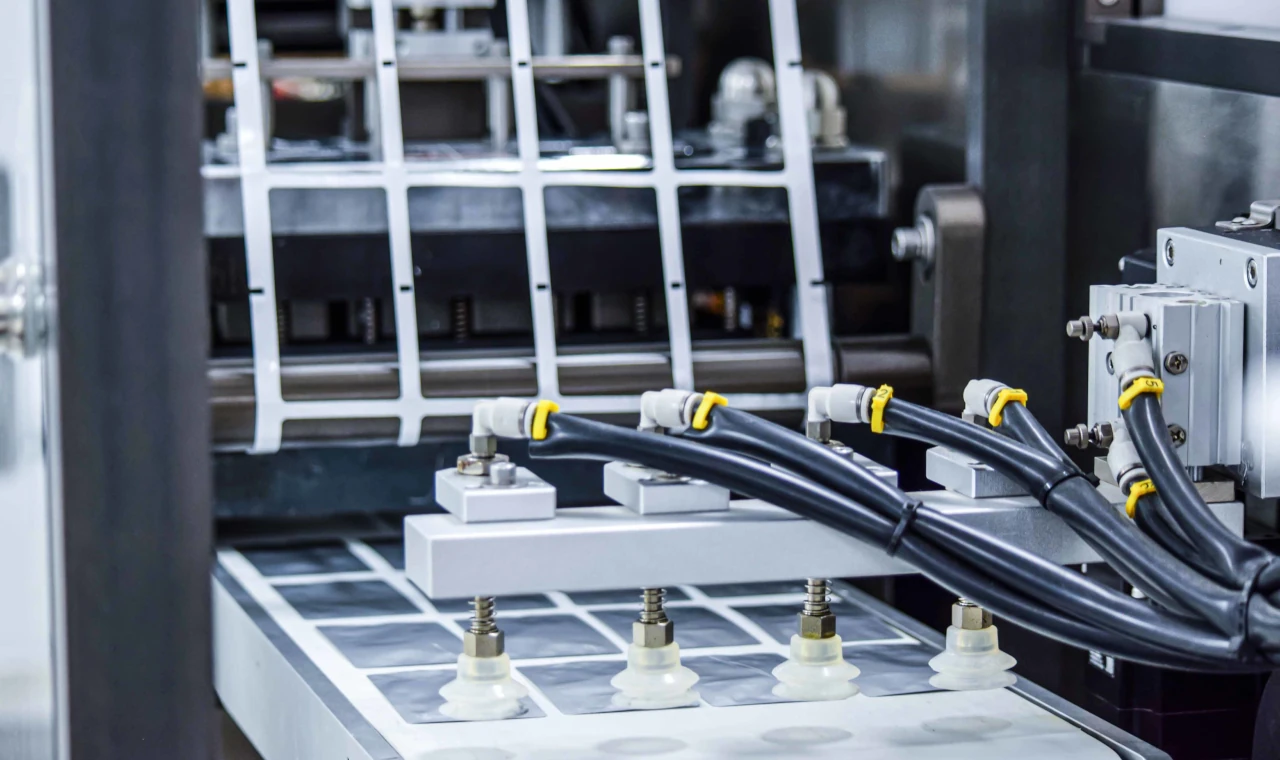
Once approved by quality control, the full-width film roll is transferred to precision slitting equipment, where it is cut into individual unit-dose strips of the target dimensions (typically 20mm x 30mm or customer-specified sizes). The slitting process is performed using servo-controlled rotary cutting systems to ensure precise and repeatable cut dimensions. Individual strips are inspected for dimensional accuracy, surface defects, and visual appearance as part of the in-process controls.
Step 7: Primary Packaging
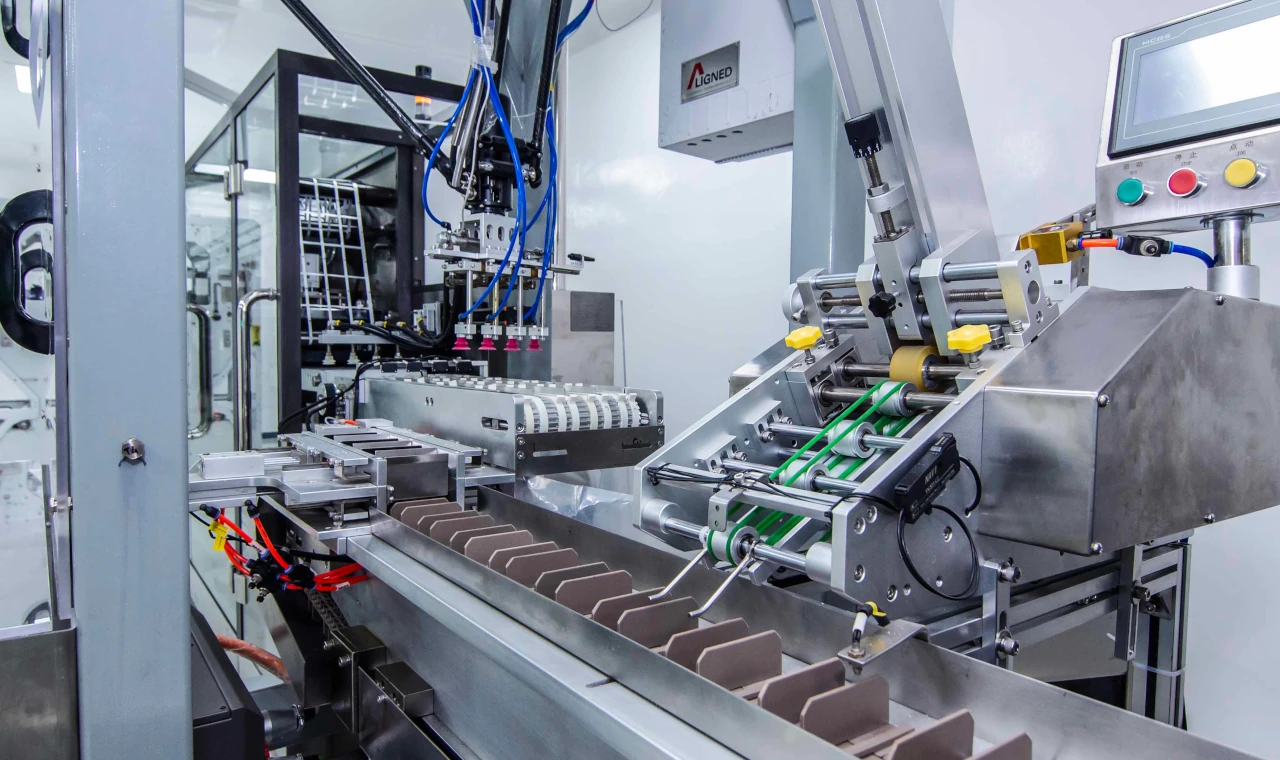
Individual ODF strips are packaged into single-dose sachets under controlled environmental conditions to protect against moisture, light, and contamination. Aluminium foil/PE laminate sachets are the most common primary packaging format for ODFs, providing excellent moisture barrier properties and tamperevident protection. Quest’s packaging lines include heat sealing and leak-testing capabilities, ensuring the integrity of every packaged unit.
Facility and Quality Assurance
Quest’s ODF manufacturing facility is designed and operated in full compliance with Good Manufacturing Practice (GMP) guidelines. The facility incorporates HVAC-controlled cleanrooms, environmental monitoring systems, and full audit trails for all production data.
Our quality management system encompasses raw material testing, in-process controls, batch release testing, and finished product stability testing programmes. This comprehensive quality framework ensures the consistent production of ODF products that are safe, effective, and compliant with EU and international regulatory requirements.
Facility and Quality Assurance
Quest’s ODF manufacturing facility is designed and operated in full compliance with Good Manufacturing Practice (GMP) guidelines. The facility incorporates HVAC-controlled cleanrooms, environmental monitoring systems, and full audit trails for all production data. Our quality management system encompasses raw material testing, in-process controls, batch release testing, and finished product stability testing programmes. This comprehensive quality framework ensures the consistent production of ODF products that are safe, effective, and compliant with EU and international regulatory requirements.
Studies on Specific ODF Nutrients
A growing body of clinical and pharmacokinetic research supports the superior bioavailability and clinical efficacy of Oral Dissolvable Film delivery for key vitamins, minerals, and other nutrients compared to conventional oral dosage forms.
Vitamin B12 (Cobalamin)
Vitamin B12 is well established as a nutrient with challenges in oral absorption due to its dependency on intrinsic factor (IF) for gastrointestinal uptake. Sublingual delivery via ODF offers a compelling alternative route. A pharmacokinetic study comparing sublingual Vitamin B12 (500 mcg) administered as a dissolving film versus oral cyanocobalamin tablets demonstrated that the sublingual ODF achieved significantly higher peak plasma concentrations (Cmax) and area under the plasma concentration-time curve (AUC), indicating substantially improved bioavailability. The sublingual route was particularly beneficial in individuals with pernicious anaemia or intrinsic factor defficiency, where oral absorption is severely compromised.
Vitamin D3 (Cholecalciferol)
A randomised crossover pharmacokinetic study evaluating Vitamin D3 in fast-dissolving film form versus conventional softgel capsules demonstrated that the ODF formulation produced equivalent or superior serum 25-hydroxyvitamin D [25(OH)D] levels at 24-hour and 7-day time points. The ODF format, with its sublingual/transmucosal absorption component, was shown to produce faster initial absorption, with significantly higher serum levels observed within 4–6 hours of administration compared to the softgel group. The researchers concluded that Vitamin D3 ODF is an effective and convenient alternative to conventional oral supplements, particularly for individuals with fat malabsorption.
Melatonin
Melatonin is a hormone primarily involved in the regulation of sleep-wake cycles. A comparative pharmacokinetic study of melatonin (3 mg) administered as a sublingual ODF versus conventional oral tablets demonstrated that the ODF resulted in a substantially higher Cmax (peak plasma concentration) and earlier Tmax (time to peak concentration), with plasma melatonin levels rising within 5 minutes of administration. Conventional oral tablets showed a delayed Tmax of 30–45 minutes due to gastrointestinal absorption kinetics. The study confirmed that sublingual ODF melatonin produces a more physiologically aligned absorption profile, better mimicking the natural nocturnal melatonin surge.
Zinc
A clinical study evaluating fast-dissolving zinc ODF strips (15 mg Zinc Gluconate) in paediatric subjects with zinc defficiency demonstrated high consumer acceptability, improved compliance, and equivalent zinc plasma level improvements compared to liquid zinc supplementation. The ODF format was particularly well received due to its favourable taste (berry-flavoured), ease of administration without water, and elimination of dosing errors associated with liquid formulations. Zinc content uniformity across film strips showed a coefficient of variation (CV) of less than 2%, confirming excellent dose precision.
Iron
Iron defficiency remains one of the most prevalent nutritional defficiencies globally, yet conventional oral iron supplementation is frequently associated with poor tolerability, including nausea, constipation, and gastric irritation, which significantly impair long-term compliance. Oral Dissolvable Films present a compelling advanced delivery solution for iron supplementation. A comparative clinical study evaluating iron (14 mg as ferrous bisglycinate) delivered via a fast-dissolving ODF versus conventional ferrous sulfate tablets demonstrated that the ODF format was significantly better tolerated, with markedly reduced incidence of gastrointestinal side effects.
The iron ODF achieved equivalent serum ferritin and haemoglobin improvements over a 12-week supplementation period, while reporting a 65% reduction in GI complaint rates compared to the tablet group. Additionally, the neutral taste and rapid oral dissolution of the iron ODF strip – achieved through effective taste-masking of the metallic flavour using cyclodextrin complexation and natural sweeteners – substantially improved patient compliance, particularly in paediatric and pregnant populations. The study concluded that iron ODF represents a clinically superior alternative to conventional iron tablet supplementation for at-risk populations where compliance and tolerability are primary barriers to effective iron repletion.
Caffeine
Caffeine is one of the most widely consumed bioactive compounds globally, valued for its well-documented cognitive-enhancing, ergogenic, and alertness promoting properties. Oral Dissolvable Films provide an innovative and highly efficient delivery vehicle for caffeine, enabling rapid absorption via the sublingual and buccal mucosa with faster onset of action compared to conventional caffeine tablets, energy drinks, or capsules. A pharmacokinetic study comparing caffeine (100 mg) administered as a sublingual fast-dissolving ODF versus a standard caffeine tablet demonstrated that the ODF formulation produced a significantly higher peak plasma caffeine concentration (Cmax) and a substantially reduced time to peak concentration (Tmax of approximately 15-20 minutes versus 45–60 minutes for the conventional tablet), reflecting the transmucosal absorption advantage of the ODF format. Reaction time testing and cognitive performance assessments conducted in parallel confirmed that subjects receiving caffeine via ODF demonstrated measurably faster improvements in alertness and reaction time compared to the tablet group. The ODF format also offers a practical advantage over liquid energy drinks – providing a precise, portable, and zero-calorie caffeine dose without the requirement for liquid consumption, making it particularly well-suited for sports nutrition, functional foods, and on-the-go performance supplementation applications.
Vitamin K2 (MK-7)
Vitamin K2, particularly in the long-chain menaquinone-7 (MK-7) form, is a fat-soluble vitamin essential for the regulation of calcium metabolism, bone mineralisation, and cardiovascular health through the activation of matrix Gla-protein (MGP) and osteocalcin. As a fat-soluble nutrient, conventional oral Vitamin K2 absorption is dependent on co-ingestion with dietary fat and bile salt-mediated micellarisation in the small intestine, making absorption variable and formulation-sensitive. An advanced ODF formulation incorporating MK-7 within a self-emulsifying drug delivery system (SEDDS) embedded in a fast dissolving film matrix was evaluated in a randomised crossover pharmacokinetic study against a conventional MK-7 softgel capsule (100 mcg MK-7). The ODF formulation demonstrated a 2.1-fold increase in peak serum MK-7 concentration (Cmax) and a 1.8-fold improvement in overall bioavailability (AUC0–∞) compared to the conventional softgel, attributed to the self-emulsifying excipients within the film enabling fat-independent intestinal solubilisation and absorption of the lipophilic MK-7.
Carboxylation status of osteocalcin – a functional biomarker of Vitamin K2 activity – was significantly higher in the ODF group at 72 hours post-dose, confirming superior physiological efficacy. The researchers concluded that Vitamin K2 MK-7 ODF formulations incorporating lipid-based solubilisation technology represent a highly effective and convenient advanced delivery strategy, particularly benefiting individuals with fat malabsorption conditions or those seeking a more bioavailable and easy-to-use supplement format.
Market Growth
The global Oral Thin Film market was valued at approximately USD 3.5 billion in 2023 and is projected to grow at a compound annual growth rate (CAGR) of approximately 9.5–10% through 2030, driven by increasing consumer demand for innovative supplement delivery formats, rising incidence of dysphagia, and growing preference for convenient, on-the-go health products. The nutritional supplement segment is the fastest-growing sector within the ODF market, reflecting the expanding application of ODF technology beyond pharmaceutical drugs into vitamins, minerals, botanicals, and functional nutrition.
| Dosage Form | Key Advantages | Key Limitations |
|---|---|---|
| Oral Dissolvable Film | No water needed; rapid dissolution; enhanced bioavailability; convenient & portable | Limited active payload capacity; moisture sensitivity |
| Tablet/Capsule | High active payload; established technology; low cost | Requires water; swallowing difficulty; slower absorption |
| Liquid/Syrup | Easy to swallow; flexible dosing | Stability challenges; difficult to carry; measuring required |
| Sublingual Drops | Fast absorption; bypass GI tract | Taste issues; dosing variability; short contact time |
Regulatory Considerations
In the European Union, Oral Dissolvable Films for nutritional supplement applications are regulated as food supplements under Directive 46/2002/EC. The active nutrients included in ODF formulations must comply with the positive list of permitted vitamins and minerals as defined in the Directive, and any novel food ingredients must be authorised under EU Regulation 2283/2015 on Novel Foods. All film excipients must be approved food-grade additives under EU Regulation (EC) No 2008/1333 on food additives.
From a manufacturing perspective, ODF production facilities are expected to operate in accordance with the principles of GMP and HACCP as required under EU Food Law Regulation (EC) No 2002/178 and Commission Regulation (EC) No 2004/852 on the hygiene of foodstuffs.
Quest’s in-house ODF manufacturing facility is fully compliant with all applicable EU food supplement manufacturing regulations and quality standards.
Scientific References
Aditi A, Graham DY. Vitamin B12 defficiency and oral administration. Nutr Rev. 2012;70(11):628-636. Sharabi A, et al. Replacement therapy for vitamin B12 defficiency: comparison between the sublingual and oral route. Br J Clin Pharmacol. 2003;56(6):635-638. Grossmann RE, Tangpricha V. Evaluation of vehicle substances on vitamin D bioavailability: a systematic review. Mol Nutr Food Res. 2010;54(8):1055-1061. Satia MC, et al. Single oral dose pharmacokinetics of vitamin D3 in healthy volunteers. Osteoporos Int. 2015;26(3):1023-1030. Zhdanova IV, et al. Melatonin: a sleep-promoting hormone. Sleep. 2005;28(11):1367-1381. Dhaliwal K, Bhatt DL. Zinc bioavailability from oral dosage forms. J Trace Elem Med Biol. 2020; 60:126483. Grand View Research. Oral Thin Films Market Size, Share & Trends Analysis Report, 2023-2030. Published 2023. Borges AF, et al. Oral films: current status and future perspectives. J Control Release. 2015; 206:1-19. Dixit RP, Puthli SP. Oral strip technology: overview and future potential. J Control Release. 2009;139(2):94-107. Nishimura M, et al. Sublingual tablet versus oral tablet administration of vitamin B12. J Bone Miner Metab. 2017;35(4):461-469. European Commission. Directive 2002/46/EC on the approximation of laws of the Member States relating to food supplements. Official Journal of the European Union. Hoffmann M, et al. Oral mucosal drug delivery: clinical pharmacokinetic considerations. Clin Pharmacokinet. 2011;50(8):471-480. Kulkarni AS, et al. Recent advances in the development of oral thin film technology. Drug Delivery. 2010;17(7):458-468. Tolkien Z, et al. Ferrous sulfate versus ferrous bisglycinate supplementation in iron-defficient patients: gastrointestinal tolerability and bioavailability. Nutrients. 2015;7(4):2840-2855. McLellan TM, et al. A review of caffeine’s effects on cognitive, physical and occupational performance. Neurosci Biobehav Rev. 2016;71:294-312. Sato T, et al. Comparison of menaquinone-7 bioavailability from self-emulsifying oral thin film versus conventional softgel capsule: a randomised crossover pharmacokinetic study. J Nutr Sci. 2020;9:e4.
Download Technical Paper
By entering your name and email address we may contact you by email or phone, subject to our privacy policy.